
FSPR Surgery: The Complete Guide for Cerebral Palsy
What is FSPR Surgery?
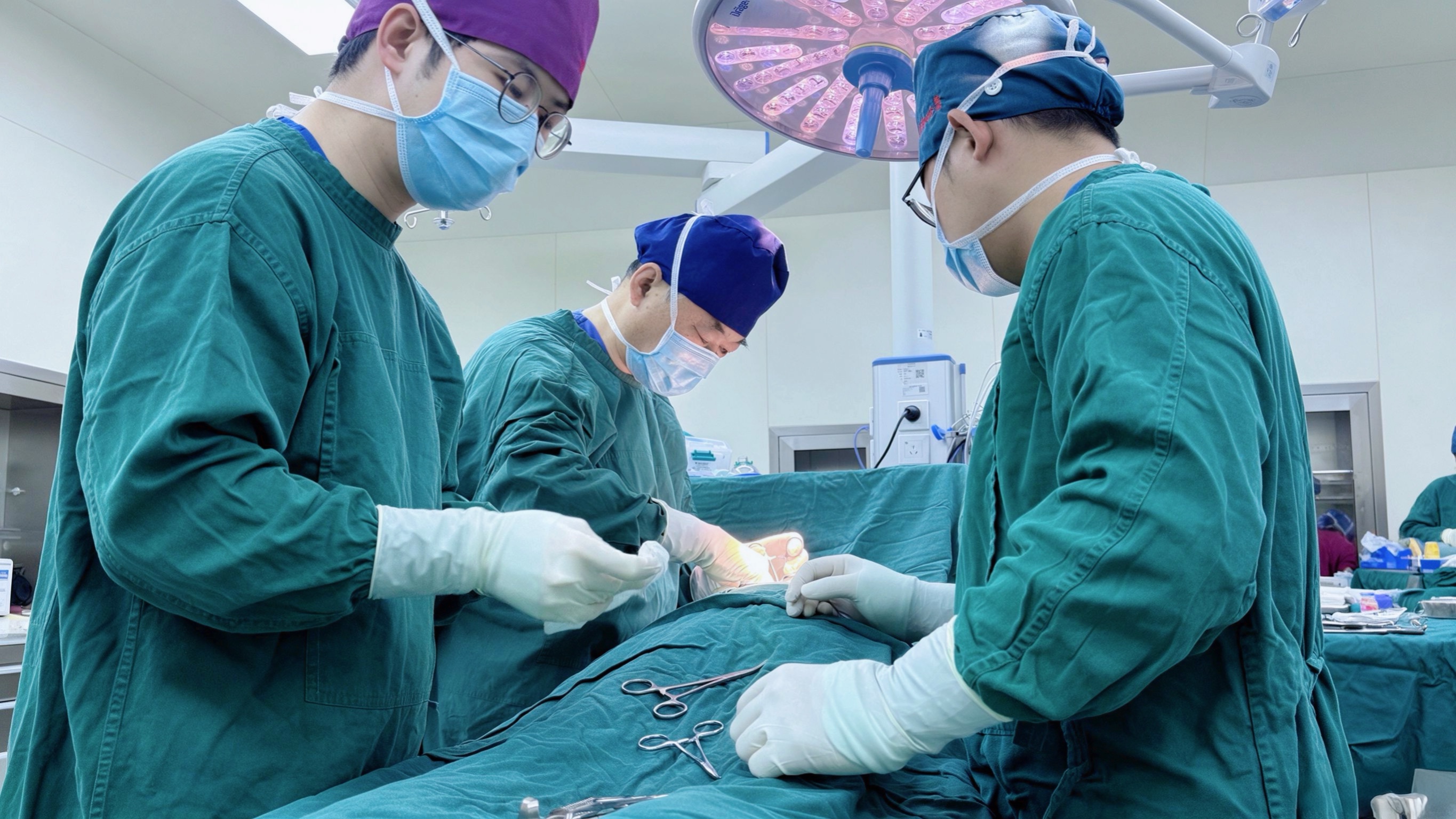
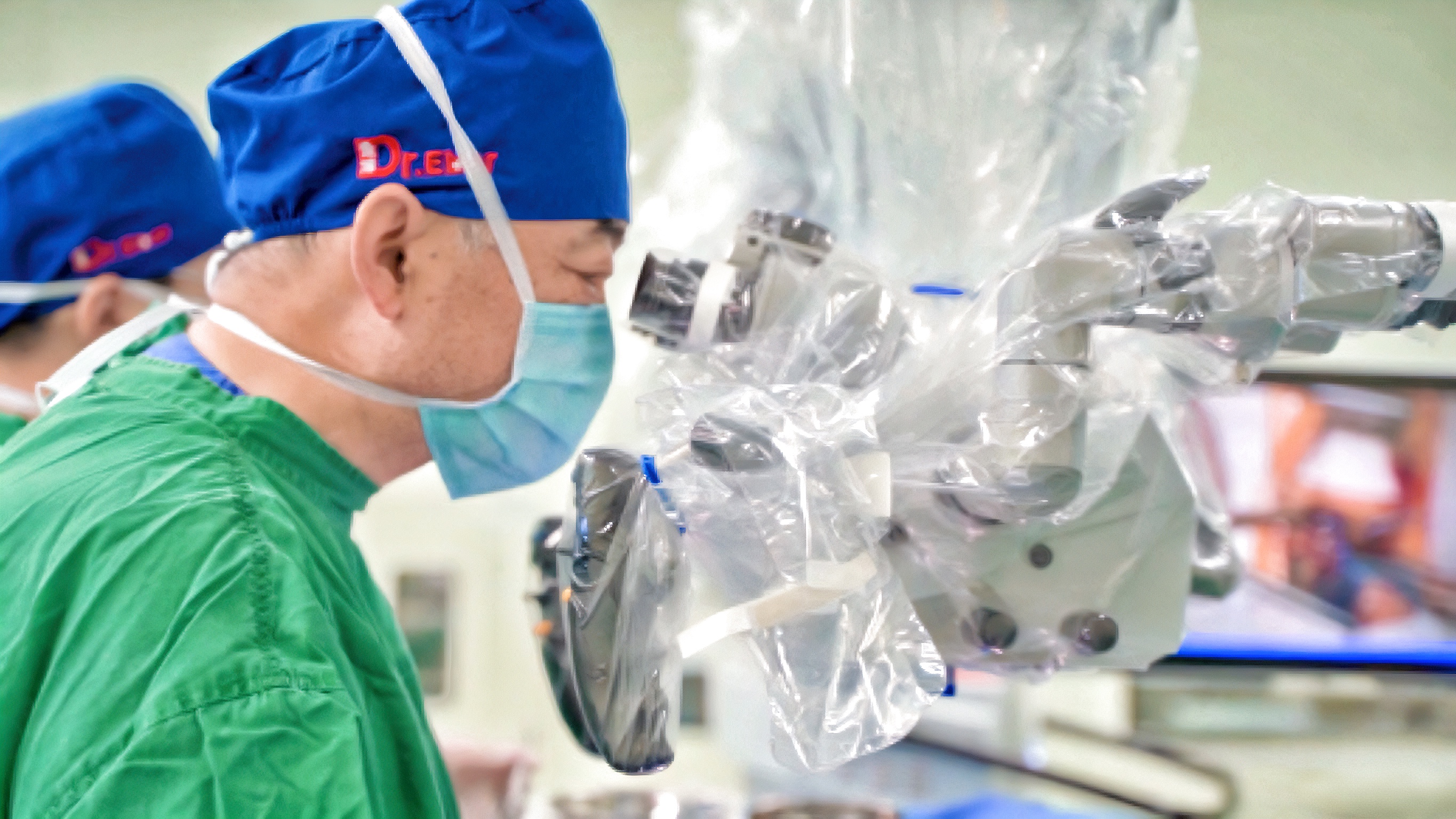
FSPR (Functional Selective Posterior Rhizotomy) is an advanced neurosurgical procedure that permanently reduces muscle spasticity in patients with cerebral palsy. Developed and refined by Dr. Sun Chengyan at Huashan Hospital, FSPR is an upgrade of the international SDR (Selective Dorsal Rhizotomy) technique, incorporating multi-level intraoperative electrophysiological monitoring for greater precision.
Unlike botulinum toxin injections that provide only 3-6 months of temporary relief, FSPR addresses the root neurological cause of spasticity by selectively cutting only the abnormal Type Ia nerve fibers that cause excessive muscle tone. This creates a permanent window of opportunity for rehabilitation to be significantly more effective.
Table of Contents
Pre-operative Evaluation
Multidisciplinary assessment including gait analysis, MRI, EMG, and functional assessment by Dr. Sun's team.
Anesthesia & Positioning
General anesthesia in prone position. Multi-level intraoperative neurophysiological monitoring set up.
Laminectomy
Small opening in the lower lumbar spine (L1-S2) to access the cauda equina nerve roots.
Electrophysiological Testing
Each nerve root is stimulated with electrical impulses; abnormal responses are identified using EMG monitoring.
Selective Rhizotomy
Only the abnormal Type Ia fibers are selectively cut — typically 30-50% of fibers, preserving normal nerve function.
Closure & Recovery
Wound closed in layers; patient monitored in ICU overnight before transferring to ward.

Pre-treatment
Post-treatment
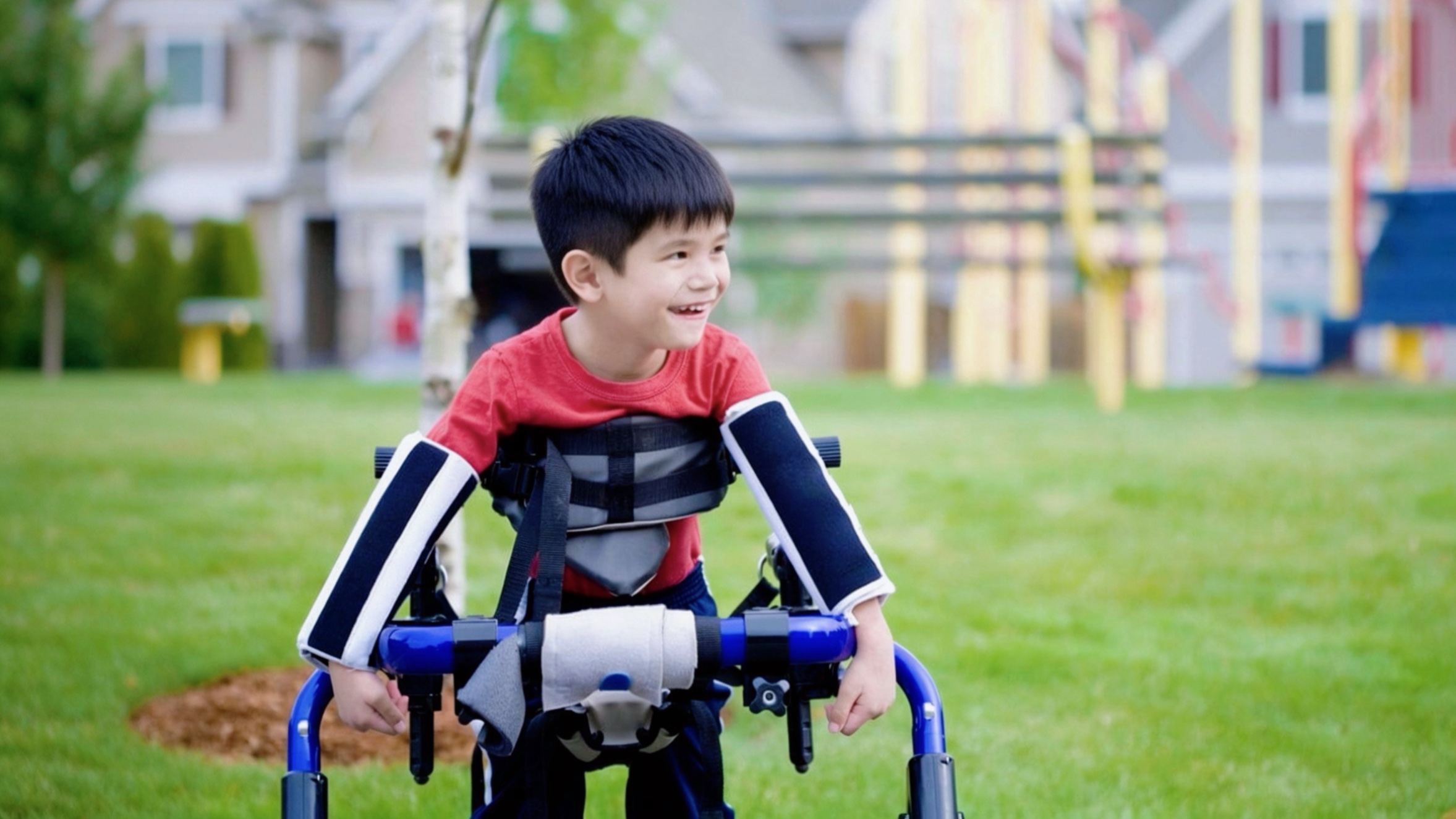
FSPR is most effective for patients with spastic cerebral palsy (GMFCS Level I-IV), age 2-5 years and above, who have good cognitive potential and commitment to post-operative rehabilitation. Candidates must pass a comprehensive pre-surgical evaluation to determine if the procedure is appropriate.
- Spastic cerebral palsy with lower limb involvement (diplegia or quadriplegia)
- Age 2-5 years or older (optimal window: 3-6 years for best neuroplasticity)
- GMFCS Level I, II, or III (some Level IV patients may benefit)
- Fixed muscle contractures may require orthopedic surgery before or after FSPR
- Family commitment to intensive post-operative rehabilitation (minimum 3-6 months)
- No severe cardiac, pulmonary, or other contraindications for surgery
“The key is precision. In FSPR surgery, we use spinal nerve stimulation and EMG monitoring to highly selectively cut only the Type Ia fibers that cause spasticity — preserving normal nerve function while eliminating abnormal muscle tone.”
Recovery Timeline: What to Expect
| Phase | Timeline | Key Activities | Expected Progress |
|---|---|---|---|
| Hospital Stay | Days 1-7 | Pain management, early mobilization, passive stretching, initial assessment | Walking with assistance, pain controlled |
| In-clinic Rehab | Weeks 1-4 | Intensive physiotherapy, gait training, strengthening, daily 4-6 hours | Significant spasticity reduction, improved range of motion |
| Skill Acquisition | Months 1-6 | Balance training, functional skills, occupational therapy, home program | Independent walking, improved coordination |
| Long-term | 6-24+ months | Continued therapy, sports, school integration, follow-up assessments | Sustained gains, normalized movement patterns |
Expected Outcomes
Based on Dr. Eber Neurosurgery clinical data (as of 2026), patients who undergo FSPR followed by the Five-in-One integrated rehabilitation program typically achieve significant and lasting improvements in motor function, spasticity reduction, and quality of life. Individual results vary based on baseline function, age, and rehabilitation adherence.
Frequently Asked Questions
A:Yes. We encourage pre-treatment visits when possible. We also offer virtual tours.
A:Shanghai Eber Hospital is a Class 2A designated institution (China's highest).
A:International menus are available on request. Halal, kosher, and other dietary needs are accommodated.
A:Yes. Companion beds are available in patient rooms, and we can arrange nearby apartments.
Have Questions? Talk to Your Dedicated International Coordinator
Free consultation, no obligation. We respond within 48 hours.
Ready to Start Your Recovery Journey?
Submit your case — Dr. Sun Chengyan's team responds within 48 hours
Medical Review by Sun Chengyan, MD, PhD — Chief Neurosurgeon, Shanghai Eber Hospital
Last Updated: September 2026 | Content reviewed for medical accuracy